The 600+ page whopper I start this round up with seems to have dominated the month, both in terms of the length of time it took to read, the reminders from it in other books or reads I picked up to counter balance it.
Caledonian Road – Andrew O’Hagan
Last year I read an article in the New Yorker about the death of a young man in London, an upsetting mystery for his parents. The article confirmed my total ignorance of so much that goes on in this country and worldwide, around the dark web, financing and trafficking, and who knows what else. It’s a far remove from my experience. I was reminded of this article when reading Caledonian Road, as it covers the same subjects. This is a doorstop of a book and took O’Hagan ten years to write, (and me three weeks to read, which is rare) with a break to write the wonderful Mayflies in the middle. It’s clearly extensively researched (O’Hagan is a journalist as well as a novelist) and the many threads structured well. Like all epics, it has a long character list at the beginning. I loved Mayflies and had been looking forward to this, which is very different in tone and difficult to get into (I imagine he took a break to write Mayflies simply as he needed to connect with some kind of humanity and compassion). Once I’d persevered, I found myself drawn in and hoping for the downfall of practically everybody in it, as they were all awful people, some doing terrible things and others just utterly selfish. I’m not sure I’m doing a good job of selling this, but it’s a comprehensive dive into another side of the UK, one where people are disposable to both rich and poor. If you ever have a moment where you hope your life might take place in influential and well-off circles, read this and feel relieved you’re well out of the grubbiness of this sordid set.
Mrs Tim of the Regiment – DE Stevens
And so to something completely different. This is a book from the 1950s, one of the revival of women novelists who wrote social comedies of the time and were then forgotten. Mrs Tim is Hester Christie, married to Major (I think, military ranks are a mystery to me) Tim Christie and a service wife, with two children and a domestic and social life shunted about with army postings. This is a year of her diary and utterly charming.
Open Water – Caleb Azumah Nelson
I picked this up at the library because I’d heard so many good things about it. It’s written entirely in the second person which is hard to pull off, though the latter chapters feel like he’s addressing you personally, rather than the arm’s length experience the writing has been previously. It’s the very slow love story of two black young people in London, but covers the experience of being black in the modern world. The running theme is about being seen or not, when you are noticed and when you are ignored, and there is a second theme about trauma. This second thread is revealed slowly, very slowly; the first part of the book is about him getting together with the girl and they take so long to do this, becoming friends, then moving to intimacy before finally admitting to being a couple. It was almost painful reading, the slowness of it, but the second part of the book, the almost inevitable fragmenting of the relationship explains why they were slow to trust, slow to let themselves be in the open water. It’s not the easiest of reads but I felt like I learned something about an experience totally different to my own.
A Murder of Quality – John le Carre
A George Smiley book but not spying, instead it’s a crime novel with Smiley as detective. I would have raced through this in a single day but it got a bit creepy near the end when I was reading alone at night so I put the end off till daylight returned. But, I tell you, I do like an old fashioned crime story. The problem with modern stuff is that there’s too much science – the post-mortems, DNA, mobile phone records etc – take all the fun out of it, despite the best efforts of the writer. This, though, this was like a mix of Agatha Christie and Inspector Morse, with no technology to help at all, and all the better for it. I will say, there are moments when I was a little uncomfortable about the portrayal of women in the book and so to be generous, I will say it was written in 1962 and the view at the time was not particularly enlightened. The afterwords by le Carre, written in 1989 and 2010 explain at length about how much he hated private school and this book was the result. It’s set in a private school with the attendant class divisions and intrigue and secrets and Smiley is a pretty good detective.
Bring Up the Bodies – Hilary Mantel
Wolf Crawl, the year-long slow read into the Wolf Hall trilogy, is now two books done and this second book is astonishing. The ending, so many men trapped by ideas of masculinity, about what a man can or must do, leaving them no option but a concoct state-sanctioned murder in order to excuse failure, is both compelling and brutal. This is, of course, a fictional account but there survives no comprehensive historical record to define the actual time so this is as good and informed a guess as anyone’s. Brilliant, brilliant writing.
The Accidental Tourist – Anne Tyler
I feel I’m probably the right age to read Tyler, and having read all of Strout this year, need another American chronicler to read. This is the story of Macon Leary, a travel writer who specialises in books for businessmen who don’t care about travel, just care about basic home comforts on the road. Macon and his wife have suffered an unspeakable tragedy, and their relationship doesn’t recover so when Macon’s wife leaves him, he tries to apply his basic managing attitude to the rest of his life. But chaos threatens to take over and he soon finds life needs to be different. I need to read more Tyler but she absolutely nails family relationships and how you just seem to adjust or put up with the weird people you’re related to.
The Safekeep – Yael van der Wouden
The Women’s Prize winner this year and quite hard to get into, I found it very dry to begin with and really didn’t understand or like the main character, Isabel. It’s the early 1960s in the Netherlands and Isabel lives alone in the house she grew up in. Her mother has recently died and her two brothers have moved out so Isabel is alone and isolated. None of this really explains why she’s such a standoffish bitch. But then her brother’s girlfriend Eva comes to stay for a while and the two women find that the stay changes everything. This bit was more interesting (though graphic). It’s a love story, a story about the war, about long-term trauma, memory and once it got going, it was well-written. But I found it totally lacking in emotion. While I’m sure there’s an interesting story to be told about the (spoiler alert) reclamation of Jewish property during and in the aftermath of WWII, this isn’t it.
Slough House – Mick Herron
This is the one I should have read in the Jackson Lamb series before I read the last one I’ve read. But I tend to grab these when I see them in the library rather than apply any logic. Anyway, I feel like this was an extension of a different kind of the Andrew O’Hagan book – if Lamb had been in Caledonian Road there would have been a different kind of comeuppance for all the sordid chicanery. Remains the best crime series out there at the moment.
Tokyo Express – Seicho Matsumoto
A classic Japanese crime story from the 1960s, I think, and an enjoyable whodunnit applying very strict logical principles. This has been touted in a number of places recently, I’m not sure why, but it’s very good. I raced through it, trying to figure it all out.
From Source to Sea – Tom Chesshyre
An antidote to Caledonian Road, as Chesshyre takes a walk along the whole of the Thames path from, as the title would suggest, the source in Gloucestershire to the sea on the North Kent coast. It’s a time stamp, taking place just after the Brexit vote but before Trump, a time of chaos but still a gentler time in comparison to now. In the afterword, he describes it all as an indulgence, and there’s little to suggest it’s more than a snapshot – something easier to get published when you’re a white guy writing for The Times, I imagine. But not to hold it against Chesshyre, he’s a pleasant enough companion. OK for a bedtime read though.
Moments of Pleasure
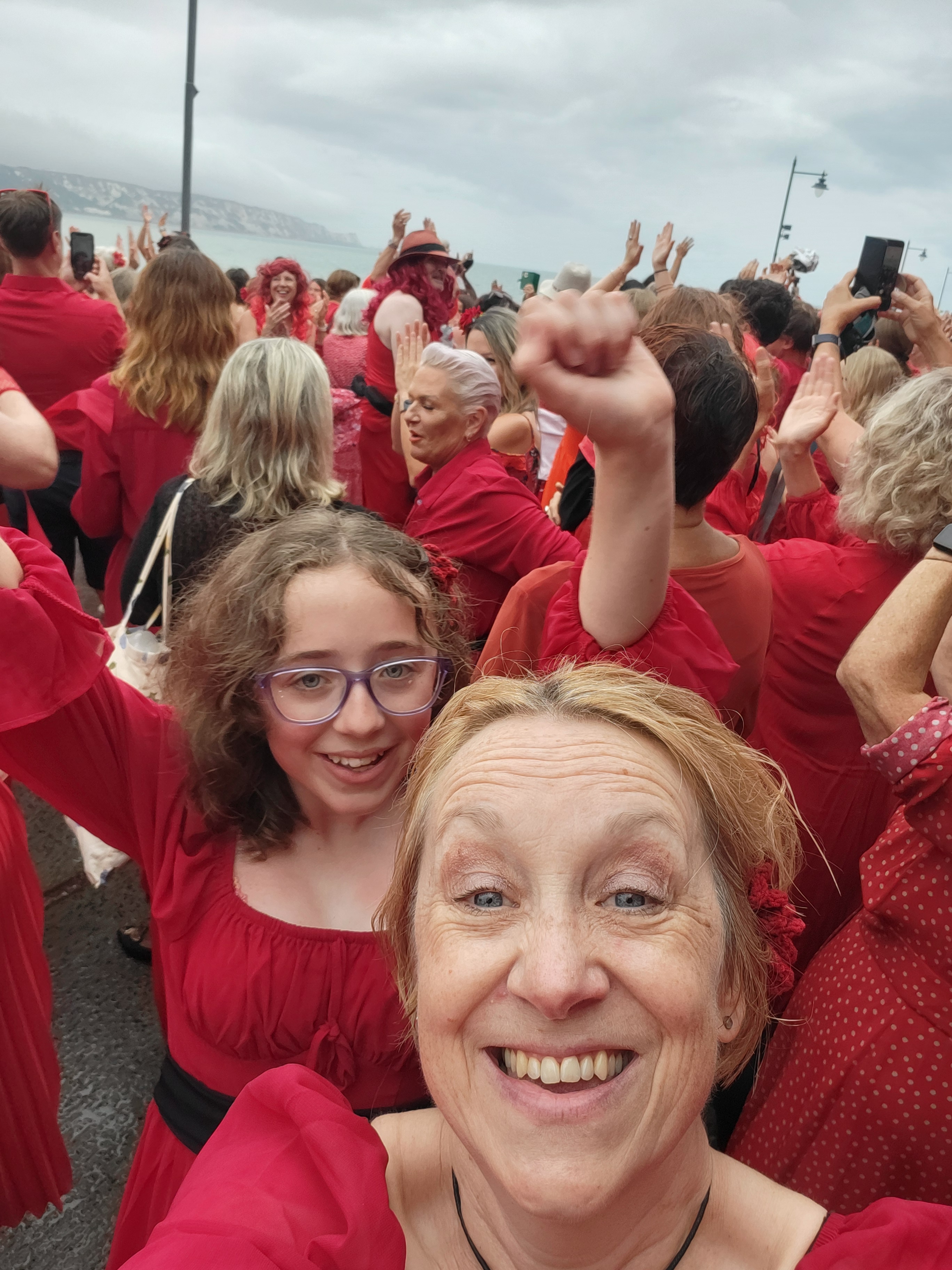
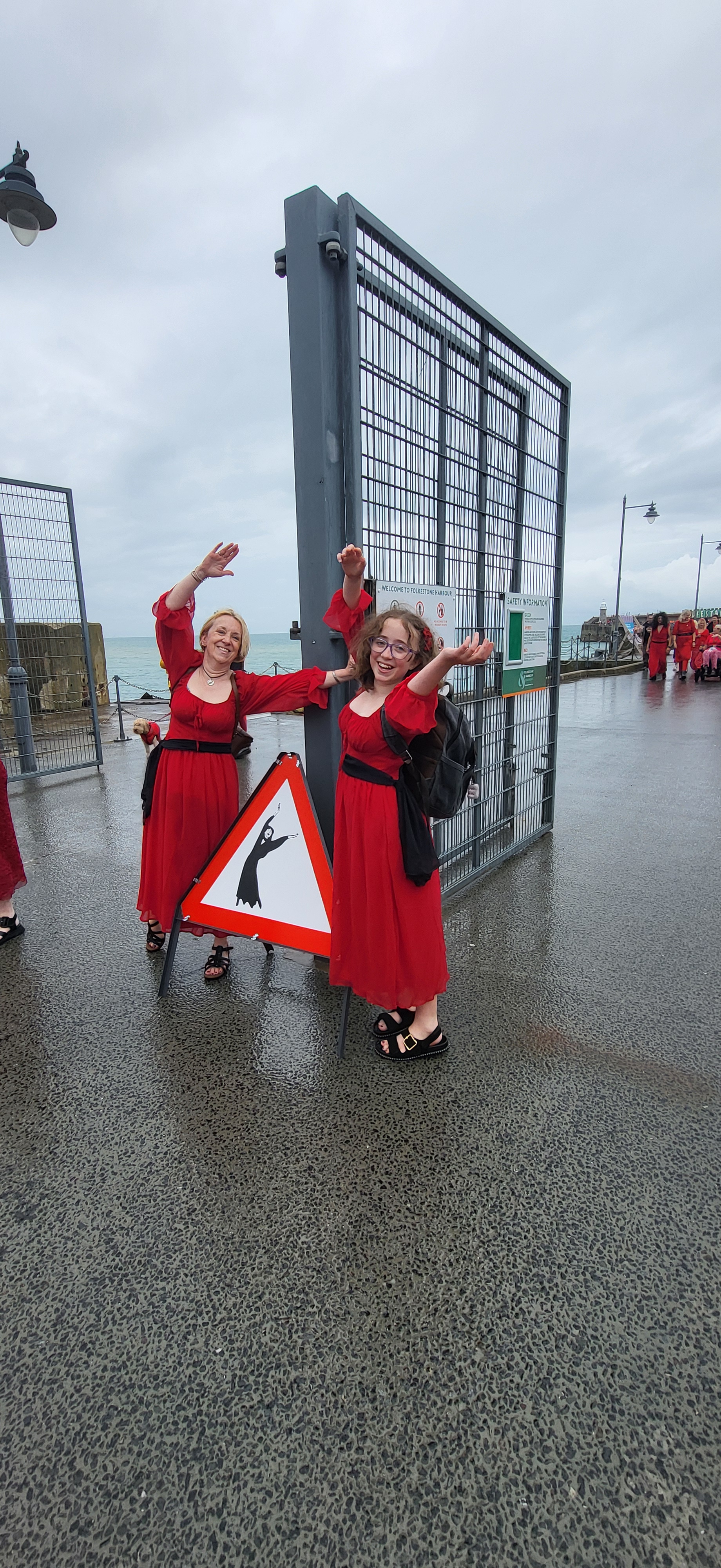
Anyone reading this blog will recognise this section is named for a Kate Bush song and this month I did what I’ve been wanting to do for many years – the Kate Bush Wuthering Heights dance along. The Most Wuthering Heights Day ever takes place in many locations but we went to the one in Folkestone in the rain and danced with about 1,400 other people along the Harbour Arm. It was excellent and made me very happy indeed.
 Susan E Barsby